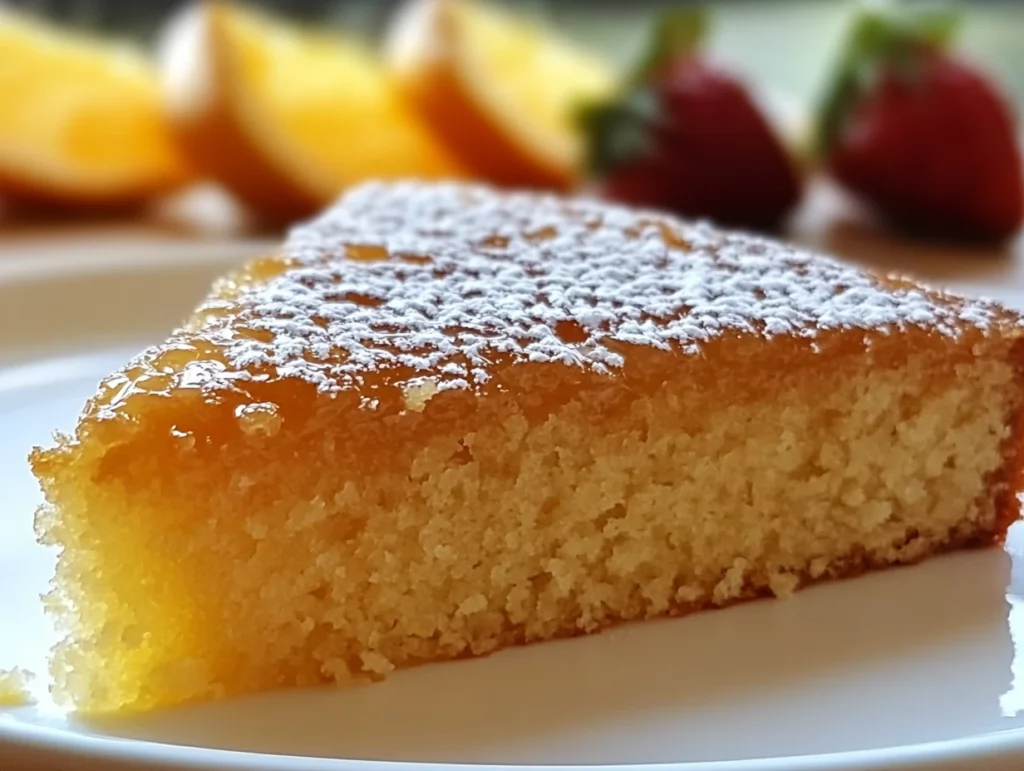
When I first tasted Amygdalopita on a sun-drenched afternoon in Athens, I was struck by how something so simple—a tender, almond-packed cake—could feel so refined. This traditional Greek Almond Cake, or Amygdalopita, combines the rustic allure of ground blanched almonds with bright citrus notes and a whisper of cinnamon. It’s the kind of dessert that pairs equally well with a strong cup of coffee at breakfast or as a light, elegant finale after dinner.
Growing up, my grandmother often made a version of this cake for family gatherings. The kitchen would fill with the sweet aroma of toasted almonds mingled with orange zest, and everyone would hover around the counter, eager for that first warm slice. Today, I’m excited to share a version that’s streamlined for home bakers, yet still delivers those authentic flavors and that signature moist crumb.
Why You’ll Love This Cake
Moist, tender crumb thanks to ground almonds
Bright citrus notes from orange zest (or lemon, if you prefer)
Minimal fuss—no need for syrups or soaking unless you want extra indulgence
Versatile serving options—dust with powdered sugar, top with fresh fruit or a dollop of yogurt
Whether you’re hosting a brunch, celebrating a special occasion, or simply craving something sweet and nutty, this Amygdalopita fits the bill. Let’s dive into the ingredients and get started on the first steps.

STEPS
Prep the Pan and Oven
Preheat your oven to 350°F (175°C). Grease an 8×8-inch baking pan (or line a 9-inch round pan with parchment paper) and dust lightly with flour. This initial step ensures your cake releases easily and bakes evenly.Combine Dry Ingredients
In a medium bowl, whisk together:1 cup all-purpose flour
1½ cups ground blanched almonds (or almond meal)
1 teaspoon baking powder
½ teaspoon salt
½ teaspoon ground cinnamon
Whisk until the mixture is uniform and set aside. If you’d like a deeper almond flavor, you can toast the almond meal in a dry skillet over medium heat for 3–4 minutes, stirring constantly until fragrant. Let it cool completely before whisking.
Beat Eggs and Sugar
In a separate large bowl, beat 3 large eggs with 1 cup granulated sugar on medium speed for 2–3 minutes. You’re looking for a pale, creamy mixture that has lightened in color and increased slightly in volume—this gives the cake its lovely lift.Add Flavorings
To the egg-sugar mixture, stir in:Zest of 1 orange (reserve 1 tablespoon of juice if you’d like a hint of tang)
1 teaspoon vanilla extract
Optional: ¼ cup honey for extra moisture and richness
Gently fold these in using a spatula to preserve the air you’ve whipped into the batter.
Incorporate Dry Ingredients
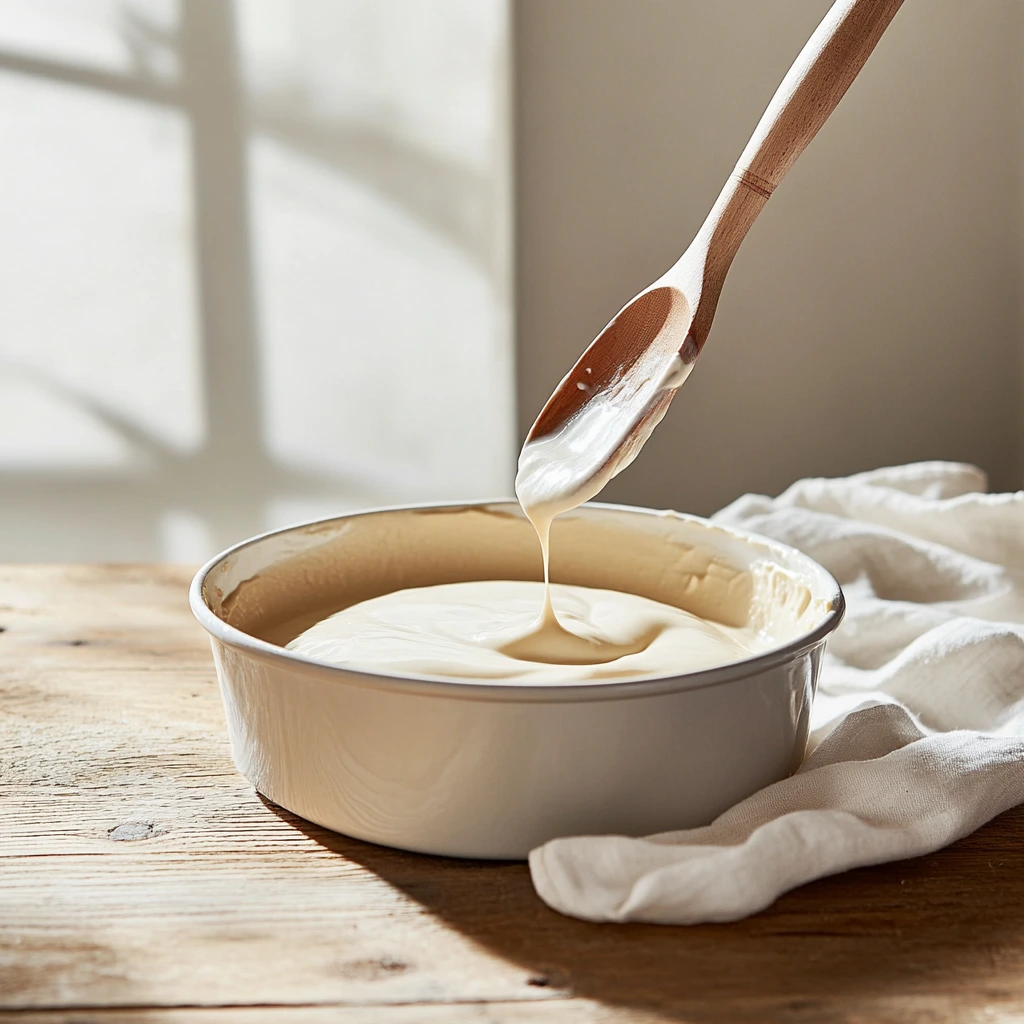
Slowly add the dry mixture to the wet bowl, folding just until no streaks of flour remain. Be careful not to overmix; you want a smooth, thick batter that still holds its lightness. If you opted for honey, swirl it in now to keep the batter uniform.

Baking to Perfection and Expert Tips
Now that you’ve mixed your luscious almond–orange batter, it’s time to transform it into a golden, fragrant cake. Follow these final steps, then explore a handful of pro tips and flavor variations to make this Amygdalopita truly your own.
Transfer and Level the Batter
Pour the batter into your prepared pan, using a spatula to smooth the surface so it bakes evenly. Give the pan a gentle tap on the countertop to release any large air pockets—this little trick helps ensure a uniform crumb without big holes or tunnels.Bake Until Golden
Slide the pan into your preheated oven and bake for 40–45 minutes. You’ll know it’s done when:The top is a light golden brown and springs back slightly to the touch.
A toothpick inserted into the center emerges clean, with only a few moist crumbs clinging to it.
Resist the urge to open the oven door in the first 30 minutes; letting the temperature fluctuate can cause the cake to sink.
Cool in the Pan
Remove the cake from the oven and set it on a wire rack. Let it rest for about 10 minutes in the pan—this brief wait lets the structure set, making it easier to remove without breaking.Unmold and Finish Cooling
Run a thin knife around the edges of the pan to loosen the cake, then invert it onto the rack (or lift out the parchment if you used it). Allow the cake to cool completely—about 30 minutes—before moving on to the final touches. Cooling thoroughly prevents the powdered sugar from melting and keeps fruit toppings from sliding.Garnish and Serve
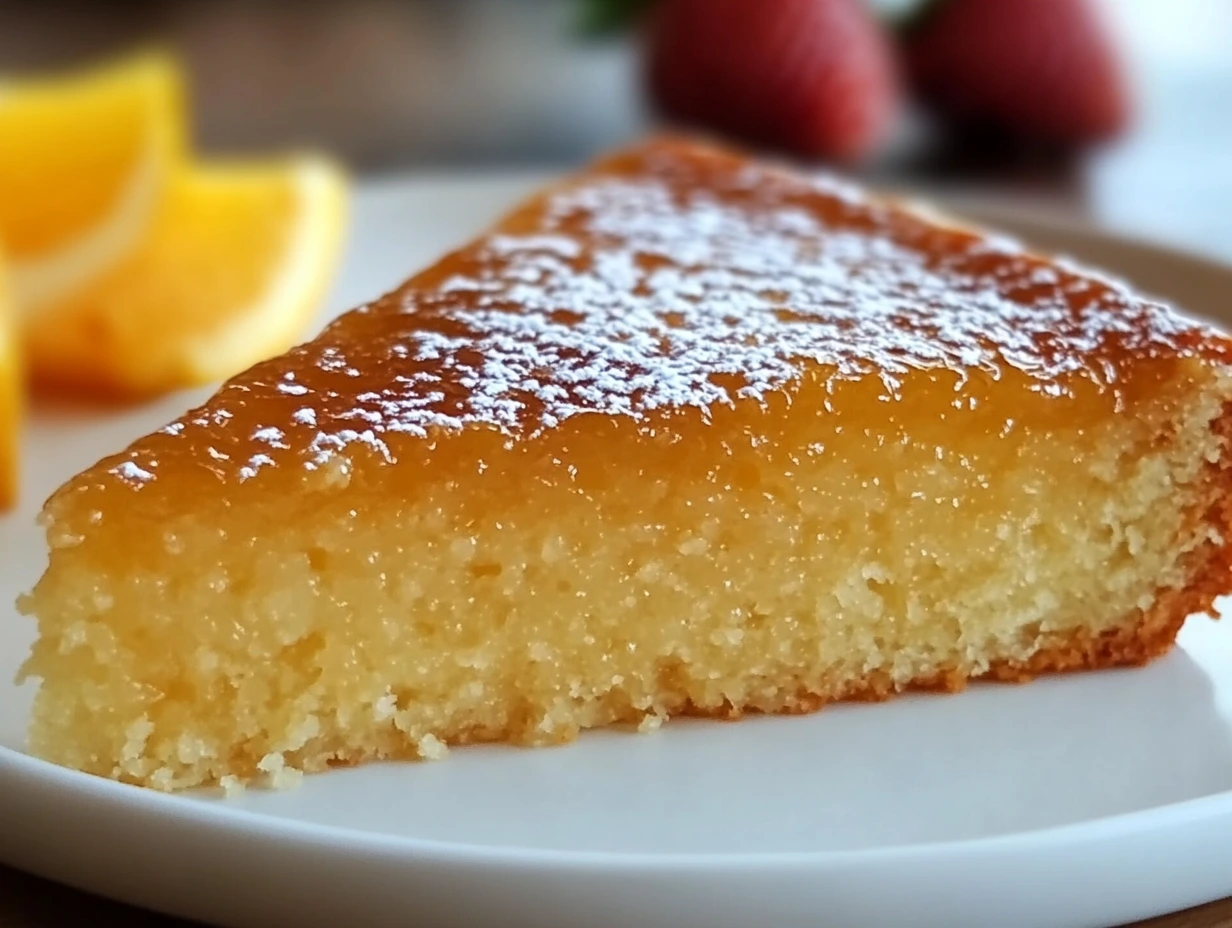
Once cooled, transfer the cake to your serving platter. Dust generously with powdered sugar for that classic, snowy look. Arrange fresh citrus slices—orange or lemon—for a bright contrast, or offer berries on the side. If you like, serve each slice with a spoonful of whipped cream or thick Greek yogurt to echo the cake’s Mediterranean roots.
Pro Tips & Variations
Honey-Orange Syrup Finish: For an extra-moist, glistening top, whisk together 2 tablespoons honey and 1 tablespoon fresh orange juice. Warm gently on the stove, then brush over the cooled cake. Let it soak in for 10 minutes before dusting with sugar.
Almond Texture Boost: Swap half the ground almonds for slivered almonds. Scatter them on top of the batter just before baking to create a delicate, nut-studded crown.
Spice It Your Way: Experiment with warm spices—try a pinch of cardamom or nutmeg alongside the cinnamon for an aromatic twist.
Citrus Swap: If you prefer the tang of lemon, simply trade the orange zest and juice for lemon zest and juice. The bright flavor pairs beautifully with the almond.
Make It Gluten-Free: Use a 1:1 gluten-free flour blend in place of the all-purpose flour. Many blends include xanthan gum, which helps mimic the structure that gluten would normally provide.
Storage & Freshness: Store at room temperature in an airtight container for up to 3 days. To maintain maximum moisture, place a slice of bread in the container—the cake will absorb just enough extra humidity to stay tender without becoming gummy.
Frequently Asked Questions and Conclusion
1. Can I use almond flour instead of ground blanched almonds?
Absolutely. Almond flour is simply a finer grind of blanched almonds, so you can swap it 1:1 for the ground almonds in this recipe. Just be mindful that very fine almond flour may absorb liquid differently, so if the batter seems too thick, stir in a teaspoon or two of orange juice or milk to achieve the right consistency.
2. My cake cracked on top—what went wrong?
A fine crack is normal on an almond-based cake, as the batter puffs up quickly in the heat. To minimize cracks, make sure your oven is fully preheated to 350°F (175°C) before baking, and avoid opening the door during the first 30 minutes. If it still cracks, embrace the rustic look—it tastes just as wonderful!
3. How do I prevent the cake from sticking to the pan?
Greasing and flouring the pan or lining it with parchment paper are both effective methods. If you’re using a springform, wrap the outside in foil to avoid leaks. After baking, let the cake cool for 10 minutes in the pan, then gently run a thin knife around the edges before unmolding.
4. Can I make this cake ahead of time?
Yes—you can bake the cake up to two days in advance. Store it at room temperature in an airtight container. If you plan to add the honey-orange syrup finish, brush it on just before serving so the topping stays glossy and fresh.
5. Is there a vegan version of Amygdalopita?
To veganize, replace the eggs with a flax “egg” (1 tablespoon ground flaxseed mixed with 3 tablespoons water per egg, set 10 minutes) and swap honey for maple syrup. Use plant-based yogurt if serving with a dollop on the side. The texture will be slightly denser, but still delightfully moist and flavorful.
6. What can I serve alongside this cake?
This cake pairs beautifully with fresh berries, sliced citrus, or a scoop of vanilla ice cream. For an authentic Greek touch, serve with thick Greek yogurt sweetened lightly with honey. A steaming cup of black coffee or espresso is the perfect contrast to the cake’s nutty sweetness.
7. How do I store leftovers to keep the cake moist?
Place any leftover slices in an airtight container at room temperature for up to three days. To maintain moisture, tuck a slice of crusty bread in with the cake—it releases just enough humidity to keep crumbs tender without making the cake soggy.
Conclusion
And there you have it—your guide to baking a stunning, citrus-kissed Greek Almond Cake that’s as approachable as it is elegant. From the first aromatic whiff of almond and orange zest to that final dusting of powdered sugar, Amygdalopita brings a slice of Mediterranean sunshine to your table.
Whether you’re celebrating a special occasion or simply craving a sweet afternoon pick-me-up, this cake delivers on flavor, texture, and versatility. I can’t wait to hear how you make it your own—did you experiment with cardamom, try the honey-orange syrup, or serve it with a tangy lemon twist? Share your variations, photos, and tips in the comments below. Happy baking, and kali orexi!
Print
Greek Almond Cake (Amygdalopita)
- Author: Andrew Recipes
Description
A moist, tender cake bursting with almond flavor and bright citrus notes. Ground blanched almonds give this traditional Greek dessert its signature texture, while a hint of cinnamon and orange zest elevates every bite. Serve dusted with powdered sugar alongside fresh fruit or a dollop of yogurt for a light, elegant finish.
Ingredients
– 1 cup all-purpose flour
– 1½ cups ground blanched almonds (or almond meal)
– 1 teaspoon baking powder
– ½ teaspoon salt
– Zest of 1 orange (plus 1 tablespoon juice, optional)
– 3 large eggs, lightly beaten
– 1 cup granulated sugar (reduce if you prefer less sweetness)
– 1 teaspoon vanilla extract
– ½ teaspoon ground cinnamon
– Optional: ¼ cup honey for added richness
For serving
– Powdered sugar, for dusting
– Fresh fruit slices (oranges, strawberries)
– Whipped cream or yogurt (optional)
Instructions
1️⃣ Preheat the oven to 350°F (175°C). Grease and flour an 8×8-inch pan or line a 9-inch round pan with parchment paper.
2️⃣ In a bowl whisk together the flour, ground almonds, baking powder, salt and cinnamon until evenly combined. Set aside.
3️⃣ In a separate bowl beat the eggs and sugar on medium speed until pale and creamy, about 2–3 minutes. Stir in the orange zest, optional juice and vanilla extract.
4️⃣ Gradually fold the dry ingredients into the wet mixture, stirring gently just until the batter is smooth and thick. If desired, fold in the honey now for extra moisture and flavor.
5️⃣ Pour the batter into the prepared pan, smoothing the top with a spatula. Tap the pan lightly on the counter to release any air bubbles.
6️⃣ Bake 40–45 minutes, or until the top is golden and a toothpick inserted into the center comes out clean.
7️⃣ Let the cake cool in the pan for 10 minutes, then transfer to a wire rack to cool completely.
8️⃣ Before serving, dust generously with powdered sugar and garnish with fresh fruit slices or a spoonful of whipped cream or yogurt.
Notes
• Toasting the ground almonds lightly in a dry skillet for 3–4 minutes deepens the nutty flavor—cool completely before using.
• This cake keeps well for up to 3 days at room temperature when wrapped or stored in an airtight container.
• For a gluten-free version, substitute the flour with an equal amount of gluten-free all-purpose blend.
• Swap orange zest for lemon zest and juice for a brighter citrus twist.
• If you prefer a syrup-soaked finish, warm 2 tablespoons honey with 1 tablespoon orange juice and brush lightly over the cake once it’s cooled.