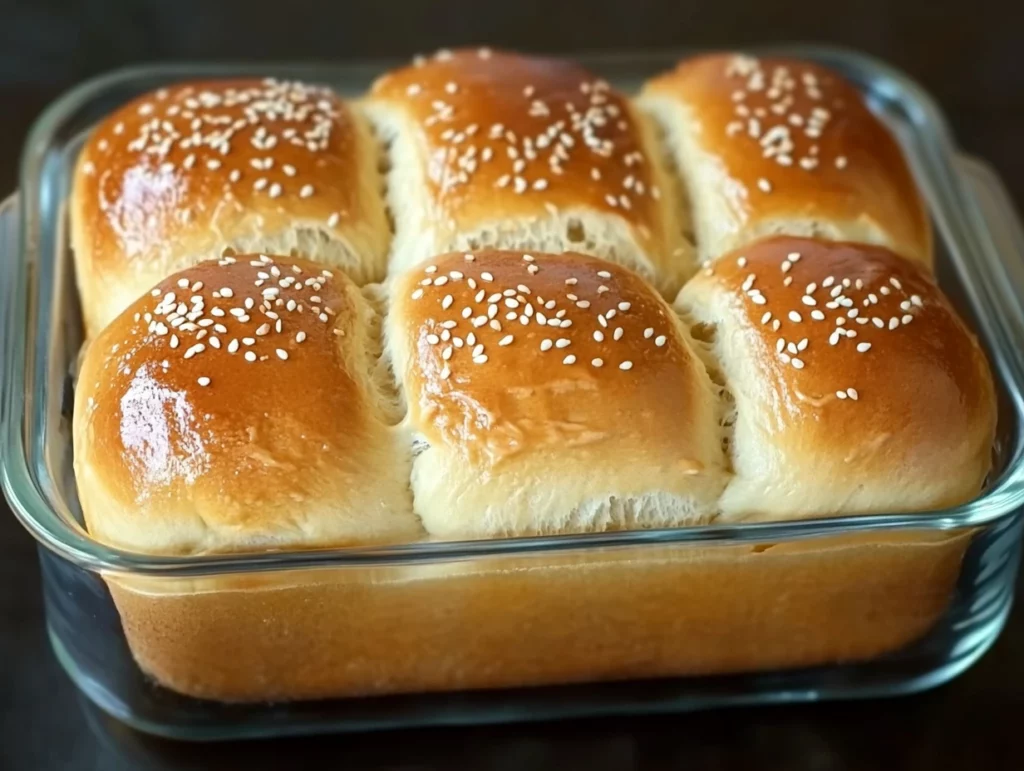
If you’ve never had Japanese milk bread before, oh my goodness, you are in for something seriously special. This isn’t your average loaf—it’s pillowy soft, just the right amount of sweet, and so airy it practically melts in your mouth. Known as Hokkaido milk bread, this recipe uses a little trick called tangzhong to give it that ultra-tender, cloud-like texture that stays fresh for days (yes, really!).
Honestly, I first fell in love with this bread after picking up a loaf from a Japanese bakery on a trip—and I couldn’t believe bread could be that soft. I came home determined to figure out how to make it myself, and after a few (okay, more than a few) trial runs, I landed on a version that’s easy, reliable, and totally foolproof. Whether you’re a seasoned bread baker or a total newbie, this one is worth trying. It’s a game-changer for toast, dreamy for sandwiches, and downright perfect straight from the oven with a pat of butter.
Let’s walk through the first part of this irresistible soft milk bread recipe together—from the tangzhong to that gorgeous kneaded dough.
Ingredients You’ll Need
Makes 1 loaf
For the tangzhong:
3 tablespoons water
3 tablespoons whole milk
2 tablespoons bread flour
For the dough:
2 ½ cups bread flour
2 tablespoons milk powder (optional but recommended)
¼ cup granulated sugar
1 teaspoon salt
2 teaspoons instant yeast
½ cup whole milk, lukewarm
1 large egg
¼ cup unsalted butter, softened
STEP 1: Make the Tangzhong (a.k.a. the Magic Paste)
This step is the secret sauce to making the softest bread ever. Tangzhong is a simple cooked mixture of flour and liquid that helps lock in moisture and gives the bread that dreamy texture.
In a small saucepan, combine the water, milk, and bread flour. Whisk everything together until smooth—no lumps! Then, place the pan over medium heat and stir constantly. In about 2–3 minutes, you’ll see it thicken into a smooth, pudding-like paste. Once it reaches that consistency, pull it off the heat and let it cool to room temperature.
Tip: I usually do this first so it can cool while I gather the rest of my ingredients.

STEP 2: Mix the Dough Ingredients Together
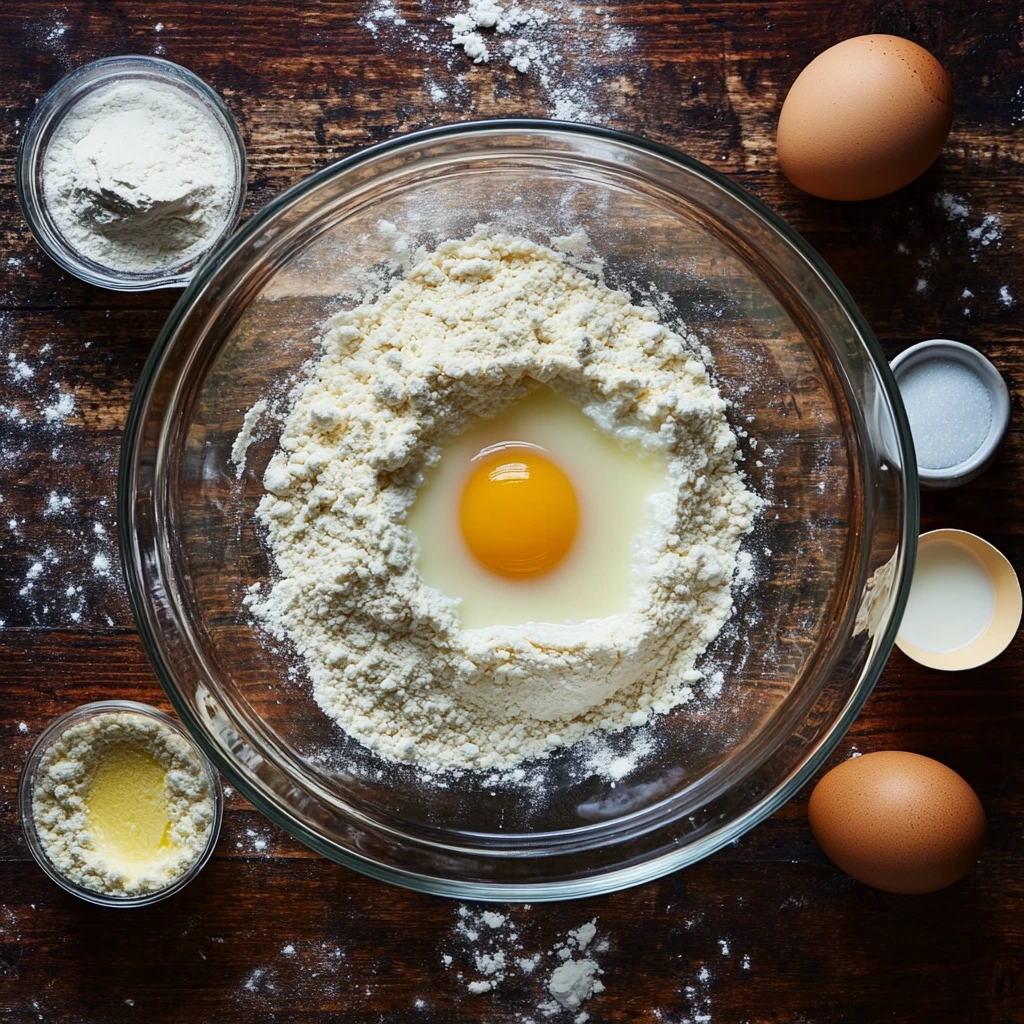
Now that your tangzhong is cooled down, grab a large mixing bowl. Add your bread flour, milk powder (if using—it adds richness), sugar, salt, and instant yeast. Give those dry ingredients a quick mix.
Then add in the cooled tangzhong, lukewarm milk, and the egg. Stir everything together until it comes together into a shaggy, sticky dough. Don’t worry about it being perfect at this point—things will smooth out during kneading.
STEP 3: Knead That Dough Until Smooth and Elastic
This dough needs a good knead to build up its structure, which helps make the bread fluffy and tender. You can knead by hand or with a stand mixer using the dough hook. Either way, knead for about 8–10 minutes until the dough is smooth and stretchy.
Next, add the softened butter a little at a time, kneading it in. It may look messy at first (the dough might slip and slide a bit), but just keep going. Knead for another 8–10 minutes, or until the dough is elastic and passes the windowpane test (stretch a piece of dough between your fingers—if it stretches thin without tearing, you’re good!).
STEP 4: First Rise – Let It Rest and Rise
Lightly grease a large bowl and place your dough inside. Cover it with plastic wrap or a clean towel and let it rise somewhere warm and cozy for about 60 to 90 minutes. It should double in size—don’t rush this part!
I usually preheat my oven for just a minute or two, then turn it off and let the dough rise inside. It creates the perfect proofing environment, especially if your kitchen is on the cooler side.
How to Shape and Bake the Perfect Milk Bread (Plus Bonus Tips!)
Welcome to Part 2! Now that your dough has risen and is soft and puffy, it’s time for the most satisfying part—shaping, baking, and filling your kitchen with the incredible smell of homemade bread. Honestly, this part always gets me a little excited. There’s something so rewarding about taking that silky dough, shaping it just right, and seeing it rise into a golden, fluffy loaf in the oven.
We’re going to break it down step by step so you can confidently finish your soft milk bread masterpiece. Plus, I’ll share a few helpful tips and some sweet variation ideas that will take your loaf to the next level.

STEP 5: Punch Down and Divide the Dough
After the dough has doubled in size (you should be able to press a finger into it and have the indentation stay), it’s time to punch it down. This just means gently pressing out the air so you can shape it.
Next, divide the dough into three equal portions. You don’t need to be exact with a scale unless you want to, but getting them roughly the same size helps the loaf bake evenly.
STEP 6: Shape the Dough into Logs
Now for the fun part—shaping the dough! Take one of your portions and roll it into a smooth ball. Then, use a rolling pin or your hands to flatten it into an oval or rectangle, about 5–6 inches long.
Starting at the short end, roll it up like a jelly roll to form a log. Repeat this with the other two dough portions.
Place all three logs side by side, seam-side down, into a greased 9×5-inch loaf pan. They’ll rise together and bake into a beautiful, domed loaf that pulls apart easily into soft, swirled sections.
STEP 7: Final Rise – Let It Get Puffy
Cover the loaf pan loosely with plastic wrap or a clean towel and let the dough rise again until it’s noticeably puffy and just about doubled in size. This usually takes around 45 minutes, depending on the warmth of your kitchen.
You’re looking for the dough to rise nearly to the top of the pan. Don’t let it go too long or it might deflate while baking—just until it looks full and pillowy.
STEP 8: Bake Until Golden and Gorgeous
Preheat your oven to 350°F (175°C) while the dough is finishing its final proof. Right before baking, brush the top of the loaf with a little whole milk or an egg wash (1 egg beaten with 1 tablespoon of milk). This gives the bread that shiny, golden crust that makes it look bakery-worthy.
Bake the loaf for 30–35 minutes, or until it’s deep golden brown on top and sounds hollow when tapped. If you notice the top browning too quickly, you can loosely tent it with foil for the last 10 minutes.
Once it’s done, let the loaf cool in the pan for about 10 minutes before transferring it to a wire rack to cool completely.
Optional Variations to Try
Want to switch things up a bit? Here are a few fun ways to give your milk bread a sweet twist:
Cinnamon Sugar Swirl: Before rolling each dough portion into a log, sprinkle with a mix of cinnamon and sugar. When you slice the loaf, you’ll get beautiful swirls inside.
Chocolate Chip Milk Bread: Gently knead a handful of mini chocolate chips into the dough before shaping. So good warm from the oven!
Matcha Milk Bread: Add 1–2 teaspoons of matcha powder to the dry ingredients for a green tea-flavored loaf.
Savory Spin: For a savory version, try mixing in shredded cheese or herbs like rosemary or thyme.
Storage Tips
Once cooled, this bread can be stored in an airtight container at room temperature for up to 3 days. It also freezes beautifully. I like to slice the whole loaf and freeze individual slices between parchment paper—perfect for quick breakfasts or toasted snacks.

Soft Milk Bread FAQ + Final Thoughts
You’ve shaped it, baked it, and maybe even devoured a warm slice (or two) already—but before we wrap things up, let’s go through some of the most frequently asked questions about this soft milk bread recipe. Whether you’re wondering about substitutions or storage tips, this section is here to help you bake with confidence.
Frequently Asked Questions
1. What is tangzhong and why is it important?
Tangzhong is a cooked mixture of flour, water, and milk that helps retain moisture in the bread. It makes the final loaf soft, fluffy, and longer-lasting. Without it, the bread won’t have the same tender texture.
2. Can I use all-purpose flour instead of bread flour?
You can, but bread flour is recommended for the best texture. It has more protein, which gives the bread better structure and chew. If you only have all-purpose flour, go ahead and use it—the bread will still turn out soft, just slightly less airy.
3. What’s the best way to knead the dough—by hand or mixer?
Either works! A stand mixer makes the process faster and easier, but kneading by hand gives you a great feel for the dough. The key is to knead long enough to develop elasticity—aim for about 15–20 minutes total, whether by hand or machine.
4. My dough isn’t rising. What should I do?
Check the freshness of your yeast first—expired yeast won’t rise. Also, make sure your milk isn’t too hot (it can kill the yeast). Lastly, ensure the dough is proofing in a warm, draft-free place. If your kitchen is chilly, try placing the bowl in a slightly warmed (but turned off) oven.
5. Can I make this bread ahead of time?
Absolutely! You can refrigerate the dough after the first rise (before shaping) for up to 12 hours. Let it come to room temperature before shaping and doing the second rise. You can also freeze the baked loaf—slice it first for easy defrosting.
6. Is milk powder necessary?
Milk powder adds extra richness and flavor but is totally optional. If you don’t have it, just skip it—the bread will still turn out wonderfully soft.
7. How do I know when the bread is fully baked?
It should be golden brown on top and sound hollow when tapped. For extra precision, you can use a kitchen thermometer—the internal temperature should be around 190–200°F.
Final Thoughts: Why You’ll Love This Bread Again and Again
If you’ve made it this far, chances are your kitchen smells amazing and your bread is cooling on the counter. There’s truly something magical about soft milk bread—how it pulls apart in fluffy layers, how it’s just a little bit sweet, and how it manages to stay soft for days (though honestly, it rarely lasts that long around here).
Once you’ve nailed the basic loaf, there are endless ways to play with it. Make it into rolls, braid it, turn it into French toast, or go wild with fillings like jam, Nutella, or cheese. It’s one of those recipes you’ll keep coming back to because it always delivers.
If you try this recipe, I’d love to hear how it turned out for you. Leave a comment, share your favorite variation, or tell me if it reminded you of a bakery loaf you’ve tried. Happy baking!
Print
Soft Milk Bread
- Author: Andrew Recipes
Description
Soft milk bread, also known as Hokkaido milk bread, is a fluffy, tender loaf that’s slightly sweet and incredibly airy. Thanks to a simple tangzhong (a cooked flour paste) and milk-enriched dough, this bread has a cotton-soft crumb that stays fresh for days. It’s perfect for toast, sandwiches, or simply enjoying warm with a pat of butter.
Ingredients
For the tangzhong:
3 tbsp water
3 tbsp whole milk
2 tbsp bread flour
For the dough:
2 1/2 cups bread flour
2 tbsp milk powder (optional but recommended)
1/4 cup granulated sugar
1 tsp salt
2 tsp instant yeast
1/2 cup whole milk, lukewarm
1 large egg
1/4 cup unsalted butter, softened
Instructions
In a small saucepan, combine water, milk, and bread flour for the tangzhong. Whisk until smooth. Cook over medium heat, stirring constantly, until it thickens into a paste. Remove from heat and let cool to room temperature.
In a large mixing bowl, combine the bread flour, milk powder, sugar, salt, and yeast. Add the cooled tangzhong, lukewarm milk, and egg. Mix until a shaggy dough forms.
Knead the dough by hand or in a stand mixer with a dough hook until smooth, about 8–10 minutes. Add the softened butter and continue kneading for another 8–10 minutes until the dough is elastic and passes the windowpane test.
Place the dough in a lightly greased bowl, cover, and let it rise in a warm place for 60–90 minutes, or until doubled in size.
Punch down the dough and divide it into three equal portions. Roll each portion into a ball, then flatten and roll into a log. Place the logs side by side in a greased 9×5-inch loaf pan.
Cover the pan loosely and let the dough rise again until puffy and nearly doubled, about 45 minutes.
Preheat your oven to 350°F (175°C). Brush the top of the loaf with milk or an egg wash for a shiny finish.
Bake for 30–35 minutes, or until golden brown and the loaf sounds hollow when tapped. If the top browns too quickly, tent it with foil during the last 10 minutes.
Let the bread cool in the pan for 10 minutes, then remove and cool completely on a wire rack.
Notes
Milk bread is best enjoyed fresh but can be stored in an airtight container at room temperature for up to 3 days. It also freezes well. For a sweet variation, swirl in some cinnamon sugar or chocolate chips before shaping the dough.