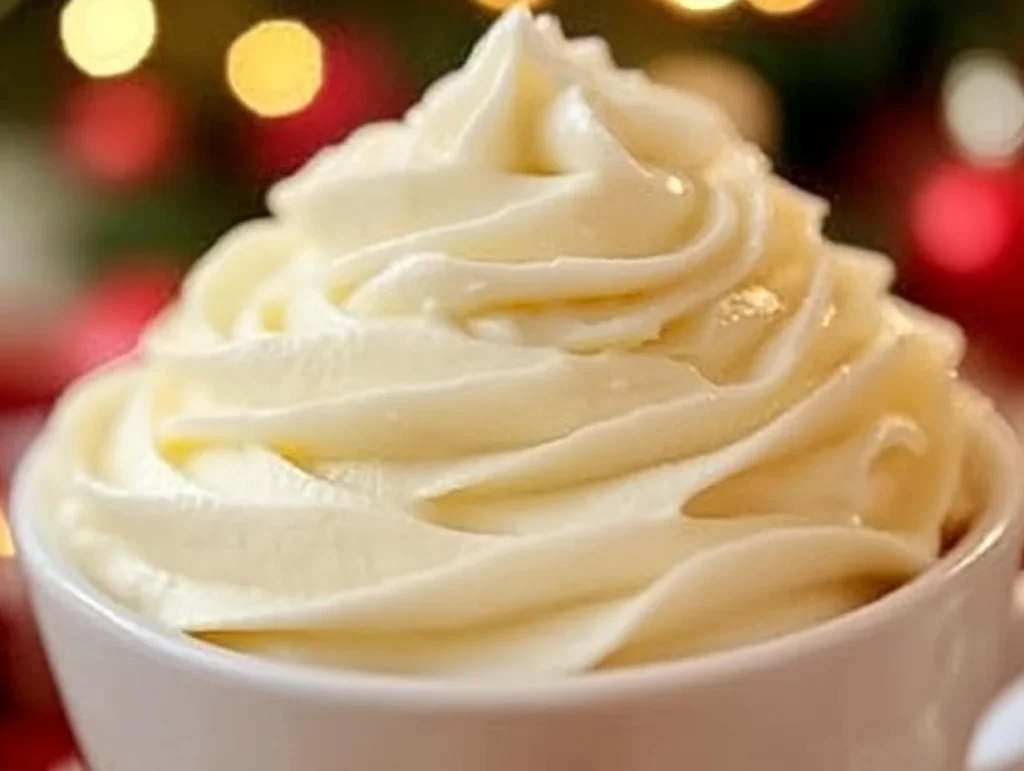
There’s just something magical about a good pastry cream. Whether you’re biting into a cream puff, layering a fruit tart, or filling éclairs for a weekend treat, this luscious, silky custard is what makes so many classic desserts unforgettable. And honestly, once you’ve made it from scratch, there’s just no going back to store-bought versions. The homemade version is richer, smoother, and miles ahead in flavor.
This recipe has become my go-to over the years, and I love how flexible and foolproof it is. We’re talking about that perfect consistency—not too runny, not too stiff. Just that dreamy, spoon-coating texture that feels luxurious but is totally doable at home. The real beauty? You don’t need any fancy equipment or ingredients. With a bit of patience and some kitchen staples, you’ll have a pastry cream that’s ready to elevate whatever dessert you’re dreaming up.
Whether you’re planning to fill a batch of éclairs, whip up a stunning fruit tart, or sneak a spoonful straight from the fridge (guilty), this pastry cream has you covered. And if you’re like me and love making ahead for stress-free baking, this one stores beautifully too. Let’s walk through how to make it from scratch—step by step.
Ingredients You’ll Need
This recipe makes about 2 cups of pastry cream, which is enough to fill one large tart or around 12 éclairs. You can easily double it if you’re baking for a crowd!
2 cups whole milk
1/2 cup granulated sugar (adjust to taste)
4 large egg yolks
1/4 cup cornstarch
1/4 tsp salt
2 tbsp unsalted butter, softened
1 tsp vanilla extract (or other flavorings like almond, citrus zest, or liqueurs)
STEPS: Making the Base for Pastry Cream
Alright, let’s start building that creamy foundation!
Step 1: Warm the Milk
In a medium saucepan, pour in the milk and gently heat it over medium-low heat. You’re not looking for a full boil here—just warm it until little bubbles start to appear around the edges. That’s your cue to pull it off the heat. Let it sit for a minute or two while you prep the egg mixture.
Tip: Heating the milk gently helps avoid scorching. If you’ve ever had to scrub burnt milk off a pan, you know how important this is!

Step 2: Whisk the Egg Yolks and Sugar
In a separate mixing bowl, add your egg yolks and granulated sugar. Whisk them together until the mixture turns a pale yellow and looks slightly thickened. This not only dissolves the sugar but also sets you up for that silky texture we’re going for.
Step 3: Add Cornstarch and Salt
Now sift the cornstarch into your egg yolk mixture and toss in the salt. Give it another good whisk until everything’s completely smooth. Cornstarch is our thickening hero here—it gives the cream that luscious, pudding-like consistency that holds up perfectly in tarts and éclairs.

Step 4: Temper the Egg Mixture
Time to temper! Slowly pour about 1/2 cup of your warm milk into the egg mixture while whisking constantly. This step is key to avoid scrambling the eggs. Once it’s mixed and warmed up, pour the whole thing back into the saucepan with the rest of the milk.
Pro Tip: Don’t rush the tempering process—it’s a small moment of patience that makes a big difference in the final texture.
Mastering the Cooking Process: How to Get Perfect Pastry Cream Every Time
Alright, now that we’ve prepped the egg mixture and tempered it like a champ, we’re diving into the heart of the recipe: cooking the pastry cream. This is the point where the magic really happens—the mixture transforms from a liquidy base into a smooth, thick custard. And I promise, if you stick with me and keep whisking, you’ll get it just right.
This next part is all about attention and timing. There’s no need to rush—cooking pastry cream is a slow-and-steady process, and once you see that cream thicken before your eyes, it’s incredibly satisfying. I still remember the first time I made it properly—it was like unlocking a baking superpower.
Let’s pick up where we left off.
Step 5: Cook Until Thick and Silky
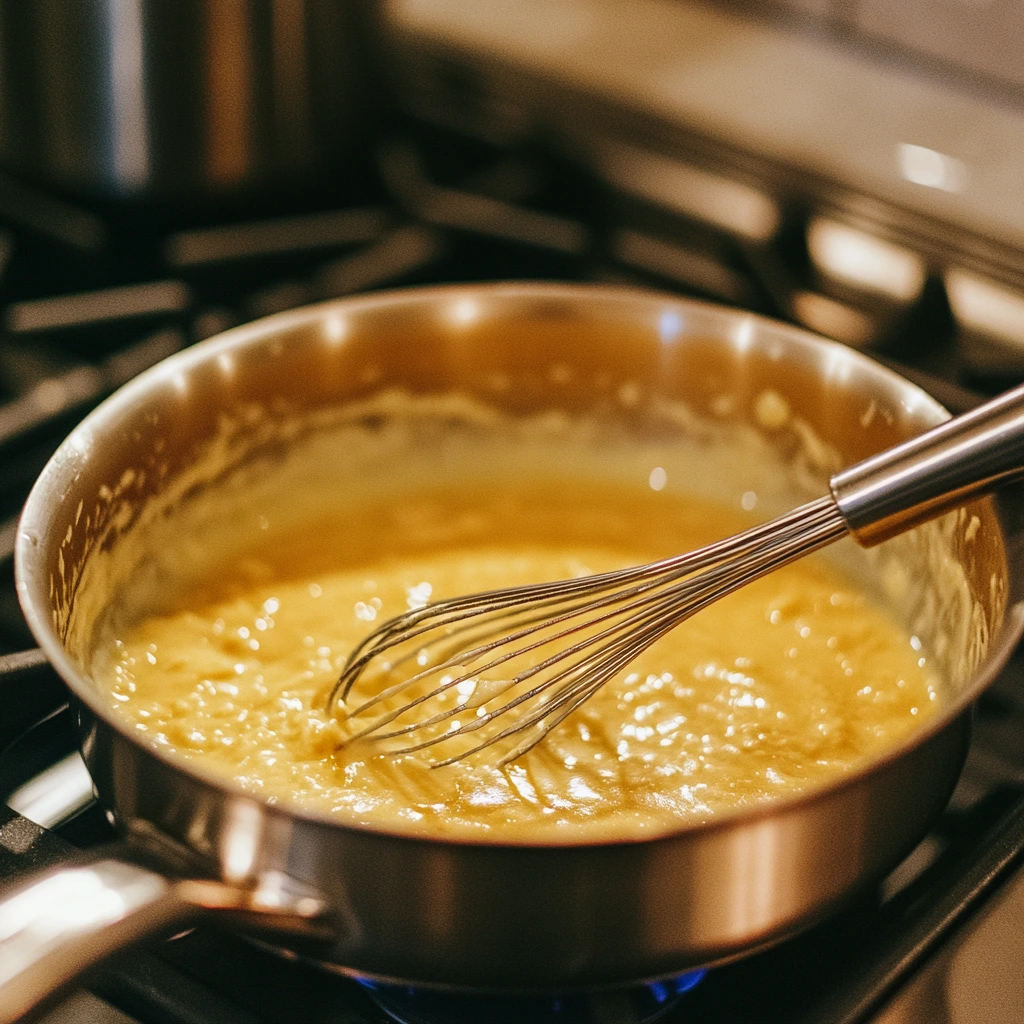
Place the saucepan with the tempered mixture back on the stove over medium heat. Now whisk. Constantly. Don’t walk away from it—this part happens fast once the heat kicks in. As the mixture warms up, you’ll start to feel resistance as it thickens.
Keep whisking until the cream starts to bubble. You want to see slow bubbles rising to the top—this means it’s reached a boil and the cornstarch is fully activated. Once boiling, continue to whisk vigorously for about 1–2 minutes. This cooks off any raw starch flavor and gives your cream a more stable structure.
You’ll know it’s ready when it coats the back of a spoon and leaves a clean line when you run your finger through it.
Step 6: Add Butter and Vanilla
Take the saucepan off the heat and immediately stir in the softened butter. The residual heat will melt it into the cream, creating a glossy, rich finish. Then add your vanilla extract—or whatever flavoring you’re using—and stir until fully blended.
Variation Ideas:
Chocolate: Stir in 2–3 oz of chopped dark chocolate with the butter.
Citrus: Add a teaspoon of lemon or orange zest for a fresh twist.
Almond: A few drops of almond extract gives it a subtle nuttiness that’s perfect in fruit tarts.
Step 7: Strain for Extra Smoothness
Even if you’ve whisked perfectly, it’s always smart to strain your pastry cream. Pour it through a fine-mesh sieve into a clean bowl. This removes any tiny bits of cooked egg and ensures your cream is as smooth as silk.
Step 8: Cover and Chill
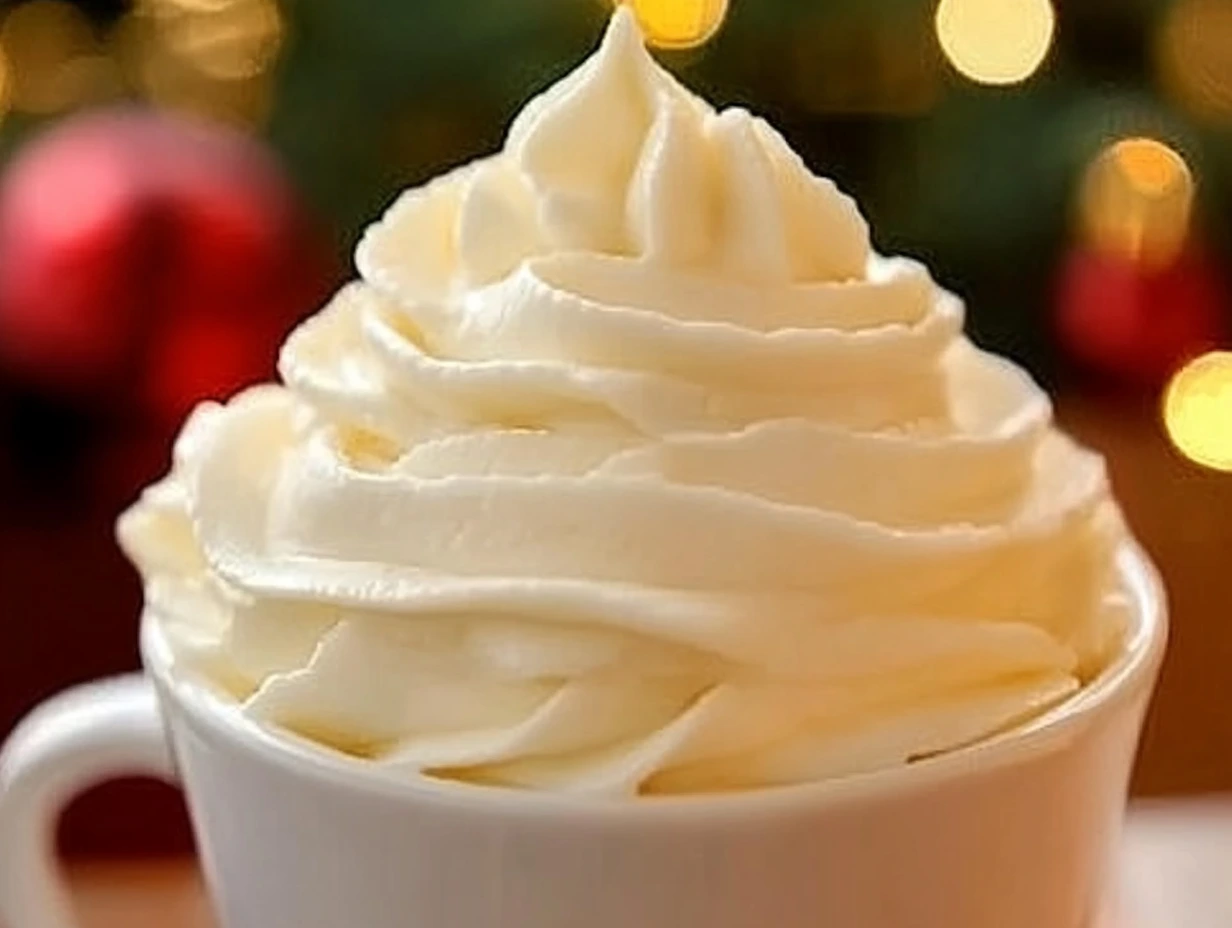
Press a piece of plastic wrap directly onto the surface of the pastry cream. This step keeps a skin from forming as it cools. Pop the bowl into the fridge and chill for at least 2–3 hours, or until completely cold.
Storage Tip: You can make this cream up to 3 days in advance. Just give it a good stir before using to bring back that silky texture.
Tips for Success
Over the years, I’ve learned a few tricks that really make a difference when working with pastry cream. These are the things I wish I’d known when I first started out:
Use room temperature egg yolks – They mix more easily and help prevent curdling.
Keep whisking during cooking – It’s the secret to avoiding lumps and getting a uniform consistency.
Don’t skip the straining step – Even if everything looks perfect, this ensures a professional finish.
Flavor it while it’s hot – Add extracts, zests, or chocolate while the cream is still warm to help them blend in completely.
Use whole milk – For the creamiest texture, don’t skimp here. Skim or low-fat milk won’t give you the same richness.
I’ve made this pastry cream dozens (maybe hundreds?) of times, and it still feels like a little luxury every single time I dip a spoon in. Once chilled, it’s ready to be piped, spooned, or layered into whatever sweet creation you have in mind.
Pastry Cream FAQ: Troubleshooting, Storing, and Creative Uses
Even though pastry cream is a straightforward recipe, there are always a few questions that come up—especially the first couple of times you make it. From troubleshooting texture issues to wondering how long it lasts in the fridge, I’ve got you covered with some of the most common FAQs.
This section is here to help you feel confident and prepared, whether you’re making pastry cream for the first time or trying to level up your dessert game. Let’s get into it.
Frequently Asked Questions About Pastry Cream
1. Why is my pastry cream lumpy or grainy?
This usually happens if the eggs were cooked too quickly or the mixture wasn’t whisked enough during heating. Always temper your eggs properly, cook over medium heat, and whisk constantly. Straining the final cream is your safety net to remove any bits.
2. Can I use a different milk or non-dairy milk?
Whole milk is ideal for its richness and creaminess. If you need a dairy-free option, full-fat coconut milk or a creamy oat milk works best. Just keep in mind the flavor and texture will be slightly different.
3. How long does pastry cream last in the fridge?
Pastry cream will keep in an airtight container in the refrigerator for up to 3 days. Be sure to press plastic wrap directly onto the surface to prevent skin from forming.
4. Can I freeze pastry cream?
It’s not recommended. Freezing tends to break the emulsion and leads to a watery or separated texture after thawing. If you need to prep ahead, make it a few days in advance and refrigerate.
5. How can I fix pastry cream that’s too thick?
If your pastry cream is too thick after chilling, try whisking in a tablespoon or two of cold milk until it loosens up to your desired consistency. Add it slowly to avoid making it runny.
6. What can I flavor pastry cream with besides vanilla?
Tons of options! Citrus zest, espresso powder, almond extract, liqueurs (like Grand Marnier or Amaretto), or melted chocolate are all delicious ways to switch things up.
7. How can I use leftover pastry cream?
Don’t let a spoonful go to waste. Use leftovers as a filling for crepes, spread between cake layers, dollop into mini tart shells, or even swirl into your morning yogurt.
The Final Scoop: Make This Pastry Cream Your Own
And there you have it—the ultimate pastry cream recipe that’s reliable, flexible, and utterly delicious. Once you get the hang of it, you’ll see just how versatile it can be. Whether you’re hosting a special occasion or just feel like making something a little fancy on a quiet weekend, this cream is your best friend in the kitchen.
What I love most about this recipe is that it adapts beautifully to whatever you’re in the mood to make. You can go traditional with vanilla, adventurous with flavor infusions, or simply enjoy it with fresh berries and a spoon. No matter how you serve it, the result is always comforting, elegant, and crowd-pleasing.
If you give this recipe a try, I’d love to hear how it turns out! Share your favorite ways to use it, any fun flavor twists you’ve added, or questions you might still have. And if you’re anything like me, don’t be surprised if it becomes your go-to secret weapon for making desserts extra special.
Print
The Key to the Ideal Pastry Cream
- Author: Andrew Recipes
Description
Pastry cream, or crème pâtissière, is the foundation of many classic desserts—from éclairs to fruit tarts and cream puffs. Smooth, rich, and delicately flavored, a well-made pastry cream strikes the perfect balance between thickness and silkiness. This version uses cornstarch for stability and egg yolks for richness, making it versatile and foolproof for both baking and filling.
Ingredients
2 cups whole milk
1/2 cup granulated sugar (adjust to taste)
4 large egg yolks
1/4 cup cornstarch
1/4 tsp salt
2 tbsp unsalted butter, softened
1 tsp vanilla extract (or other flavorings like almond, citrus zest, or liqueurs)
Instructions
In a medium saucepan, heat the milk over medium-low heat until it’s warm but not boiling. Small bubbles should form around the edges. Remove from heat and let it sit for a few minutes to cool slightly.
In a mixing bowl, whisk together the egg yolks and sugar until pale and slightly thickened. This creates a smooth base and helps prevent curdling when heated.
Sift the cornstarch into the egg yolk mixture, add the salt, and whisk until fully incorporated. The cornstarch will thicken the cream and give it a stable, pudding-like consistency.
Slowly pour about 1/2 cup of the warm milk into the egg mixture while whisking constantly. This process, called tempering, gently raises the temperature of the eggs and prevents them from scrambling. Once mixed, pour the egg mixture back into the saucepan with the remaining milk.
Return the saucepan to medium heat and cook the mixture, whisking constantly, until it thickens and begins to boil. Once boiling, continue whisking vigorously for 1–2 minutes to fully activate the cornstarch and eliminate any raw flavor. The cream should coat the back of a spoon.
Remove the saucepan from the heat and stir in the softened butter until fully melted and glossy. Add the vanilla extract or desired flavoring and stir to combine.
Strain the pastry cream through a fine-mesh sieve into a clean bowl to remove any lumps or cooked egg bits. Press a piece of plastic wrap directly onto the surface to prevent a skin from forming. Chill in the refrigerator for at least 2–3 hours before using.
Notes
Pastry cream can be made up to 3 days in advance and stored in the refrigerator. Before using, give it a brief stir or whisk to restore its smooth texture. For chocolate pastry cream, add 2–3 oz of chopped dark chocolate at the same time as the butter.